How a recent mystery shopping study provided F-Secure and its carrier partners with a concrete path to take in-store sales to a new level.
Total duration of the mystery shopping project, from planning to the debriefing of the operators
The operator’s retail network was reviewed with a fresh perspective
A partner carrier sells F-Secure products worldwide
The study was directly linked to the spring business development program
F-Secure is a global cybersecurity company whose consumer product protects millions of users through more than 100 carrier partners around the world. In Finland, the company is the clear market leader in consumer cybersecurity, and its product is sold largely under the operators’ own brands. Jussi Koskinen leads F-Secure’s operator business in Finland and the Baltics.
In early 2026, F-Secure wanted to update its understanding of how sales representatives at its carrier partners were demonstrating and selling F-Secure’s cybersecurity product in stores. It had been some time since the previous similar study, and this time the approach was different: F-Secure wanted a partner who did not have extensive experience in cybersecurity.
F-Secure’s goal was twofold. First, the company wanted to assess the level of sales staff expertise in stores—specifically, how F-Secure’s cybersecurity products are presented and how the sales process is structured. Second, the goal was to create a basis for comparison with a mystery shopping study conducted the previous year, so that trends in development would be visible.
F-Secure solicited bids from several vendors and deliberately chose Voitto, which did not have extensive experience in the information security field. This was a strategic decision.
Voitto Group designed a new type of mystery shopping process, in which selected stores operated by the operators were evaluated in accordance with the mystery shopping concept. The focus of the study was not merely on generating data, but on obtaining a practical picture of what actually happens in a store when a customer asks about data security.
The starting point was that the researchers were unfamiliar with F-Secure’s product and had no experience with the information security purchasing process. This made it possible to identify issues that an industry professional might not necessarily notice.
The mystery shopping project lasted a total of eight weeks. The project proceeded as follows:
Weeks 1 and 2. Process design, questionnaire framework, and a comparison with previous research.
Weeks 3, 4, and 5. Store visits across the networks of three carriers.
Weeks 6 and 7. Summary and concrete proposals for development.
Week 8. Termination of contracts with operator partners.
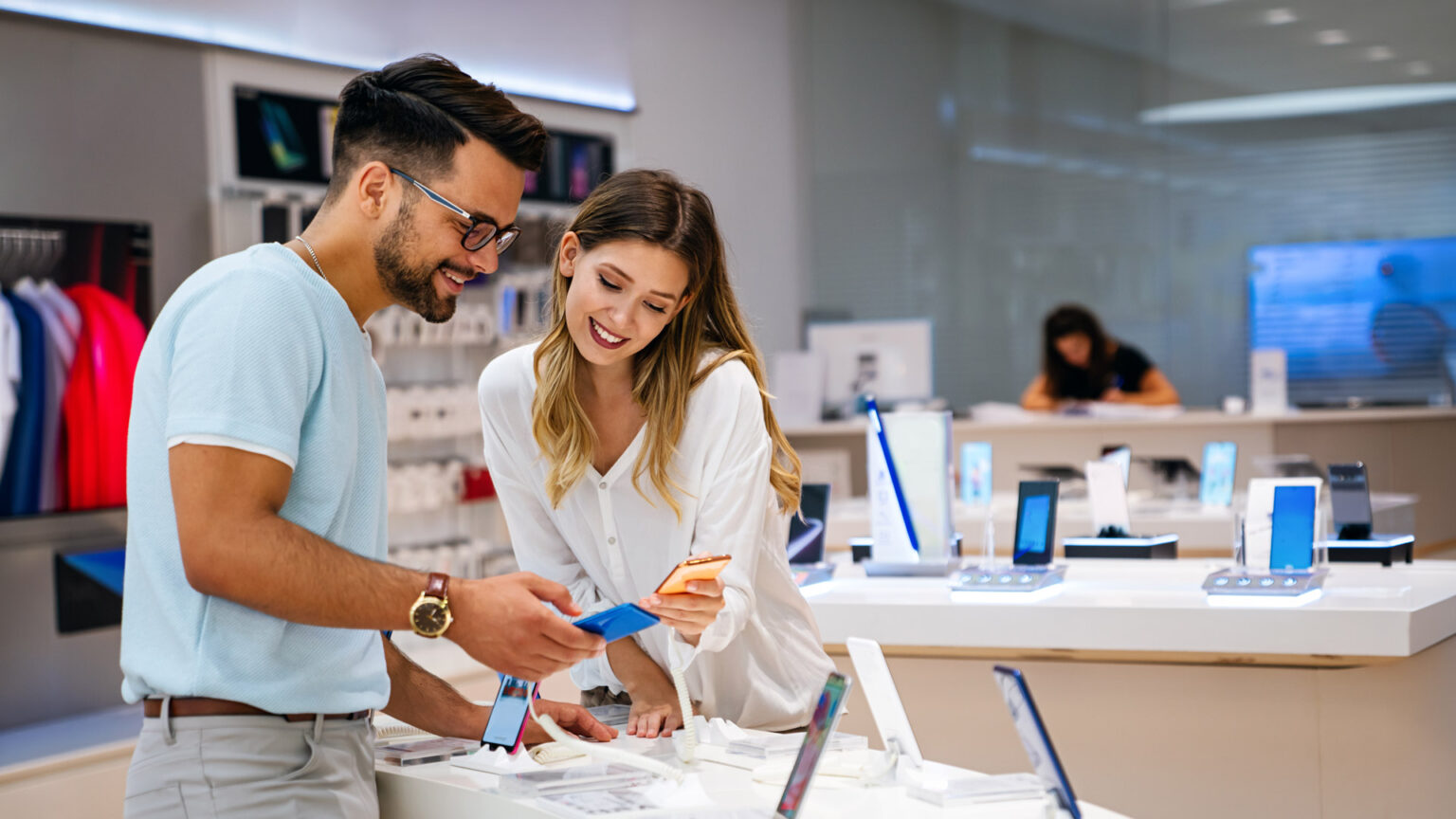
One particularly positive aspect was that the study did not focus on finding flaws, but rather opened F-Secure’s and the operators’ eyes to the hidden potential waiting to be tapped in retail stores. The results showed that cybersecurity is about much more than just a technical add-on—it’s a significant part of the customer experience—and they provided concrete tools for boosting sales.
These findings led to four significant steps forward.
Making shopping easier. When clear prices are proactively highlighted, the customer’s hesitation to buy is significantly reduced.
Making sales work easier with tools. We identified a need for physical reminders and reference materials that help salespeople bring up the topic naturally.
Deepening customer engagement. The best results are achieved when, instead of using technical jargon, we talk about genuine everyday safety and care.
Clarifying Communication. We gained valuable insights into how to streamline internal training and clarify product differences so that salespeople can be more successful in their work.
The end result was a valuable overview of the current situation and a concrete path forward that didn’t get bogged down in finger-pointing, but instead offered operators an inspiring and clear path to turning in-store interactions into value for customers.
Voitto’s way of working stood out from other providers F-Secure had worked with in the past. The first clear difference was response time: messages were answered within minutes, not days, and the work progressed at a steady pace. Another difference was the approach: Voitto didn’t bring ready-made models to the table, but instead collaborated closely with F-Secure throughout the entire process.
This was also clearly evident during the review of the results and findings. Voitto always approached the findings with a positive and encouraging attitude.

The mystery shopping study was not limited to mere analysis; rather, it was directly integrated into F-Secure’s spring 2026 business development program. The study’s findings served as the starting point for a new sales approach, shifting the focus from product features to providing peace of mind.
The 30-second rule. Greeting the customer and identifying their needs within the first minute of their arrival at the store.
Emotional scripts. Providing peace of mind rather than just a list of features, with the safety of the child and family at the center.
The “100 Percent Protected Customer” concept. The salesperson’s internal vision of what a customer must have in order to be truly protected.
POS reminders. Visual and tangible reminders provided by the store itself to the salesperson.
A basis for comparison with last year’s survey. This provides a ready-made benchmark for tracking progress in the next mystery shopping exercise.
When Jussi Koskinen of F-Secure was asked how he would recommend Voitto, he replied with three words: experience, insight, and expertise.
F-Secure’s situation is familiar to many B2B companies that sell products or services through a partner network. The product is good, the brand is strong, but the interaction with the end customer takes place in someone else’s store, through someone else’s salesperson. In that case, the only way to know what’s really going on is to go there in person.
If you want to know exactly how your product is actually sold at the customer interface, it’s worth looking into this in detail.
Here’s one question you can think about right now. How confident are you that your customers are getting the right information when they ask about your product at someone else’s store?
Let’s go over your situation and see how you can get a concrete picture of how your product is sold at the customer interface. Let’s start with a discussion. The first one is free.