
Mystery Shopping

Mystery Shopping shows what your customers experience in-store and in customer service.

Scores tell you the level, but not what to fix. We visit your stores, partners, or customer service like an ordinary customer would. You get comparable findings and fixes, which we go through with you — and with your partners where needed.

  • You’ll know what customers are actually told when they ask about your product.
  • You’ll see exactly where the sale is lost and what to fix first.

Does this sound familiar?

The product is good and the brand is strong. Yet the sale is still decided in the store.

The campaign is planned, materials delivered, and salespeople trained. Then a customer walks into the store and asks about your product.

What they’re told depends on who’s on shift and what they remember. From that moment on, management usually sees only the sales figures.

9/10

executives believe customer loyalty has grown in recent years. Only 4/10 consumers agree.

Source: PwC Customer Experience Survey 2025, USA, 5,511 consumers and 406 executives
  • Salespeople are friendly and know the product, but the offer and the close never happen.
  • The campaign shows up in the plans, but customers don’t notice it in the store.
  • Someone else is selling your product, and you have no visibility into what customers are told.
  • It’s been a while since the last test, and no one knows which way things have gone.
Myyntiluvut kertovat, mitä myytiinPaljonko kauppaa syntyi ja missä myymälöissä.
Mystery Shopping kertoo, miksiMitä asiakkaalle sanottiin, mitä häneltä kysyttiin ja missä kohtaa hän olisi ostanut.

Myyntiluvut näyttävät, missä myymälässä kauppa jäi syntymättä. Mystery Shopping näyttää, missä kohtaa keskustelua.

What is Mystery Shopping?

We visit like an ordinary customer and tell you what we saw.

Mystery Shopping means a tester visits your store, partner, or customer service as a secret shopper — just like an ordinary customer. They record what they were told and what was left unsaid.

The findings are compared against what the customer should experience. From there, we make fixes to sales, service, and materials. That’s why we start with you: management and the team first explain what a good customer encounter looks like.

An outsider notices what the people inside the company have grown used to. The tester looks at the experience through a new customer’s eyes. They don’t know your industry’s internal jargon, so they notice things an industry professional would easily overlook.

The right answers go into the question framework from you, so the tester doesn’t need to be an expert in your field.

01

Management and the team define what the customer should experience

We go through your goals, campaigns, and sales staff guidelines with you. From this we build a question framework: what's tested, in which channels, and what the findings are compared against.

02

The tester visits stores and makes contact

Visits and contacts are made to stores, partners, or customer service within an agreed timeframe. Findings from each visit are recorded according to the question framework.

03

Findings become an action list

We compile the findings and highlight the points that decide the sale. We suggest what to fix first. You decide where to start.

04

Debrief for management and partners

We go through the findings with management and, where needed, with your partners. The debrief focuses on what's working and what could be done better. The baseline is kept for the next test.

Mystery Shopping shows what happens in the store. Customer interviews show why the customer bought — or didn’t. Together, they reveal both the point of failure and the reason behind it.

Mystery Shopping services

We test the channel where your customers meet you.

Customers meet you in your own store, in a partner’s store, by phone, or online. We choose the channels and number of visits based on what you want to know, and tailor the question framework to your industry and goals.

A customer checks the time in the middle of a busy day
Mystery Shopping

Your own stores

When you want to know how customers are greeted in your stores

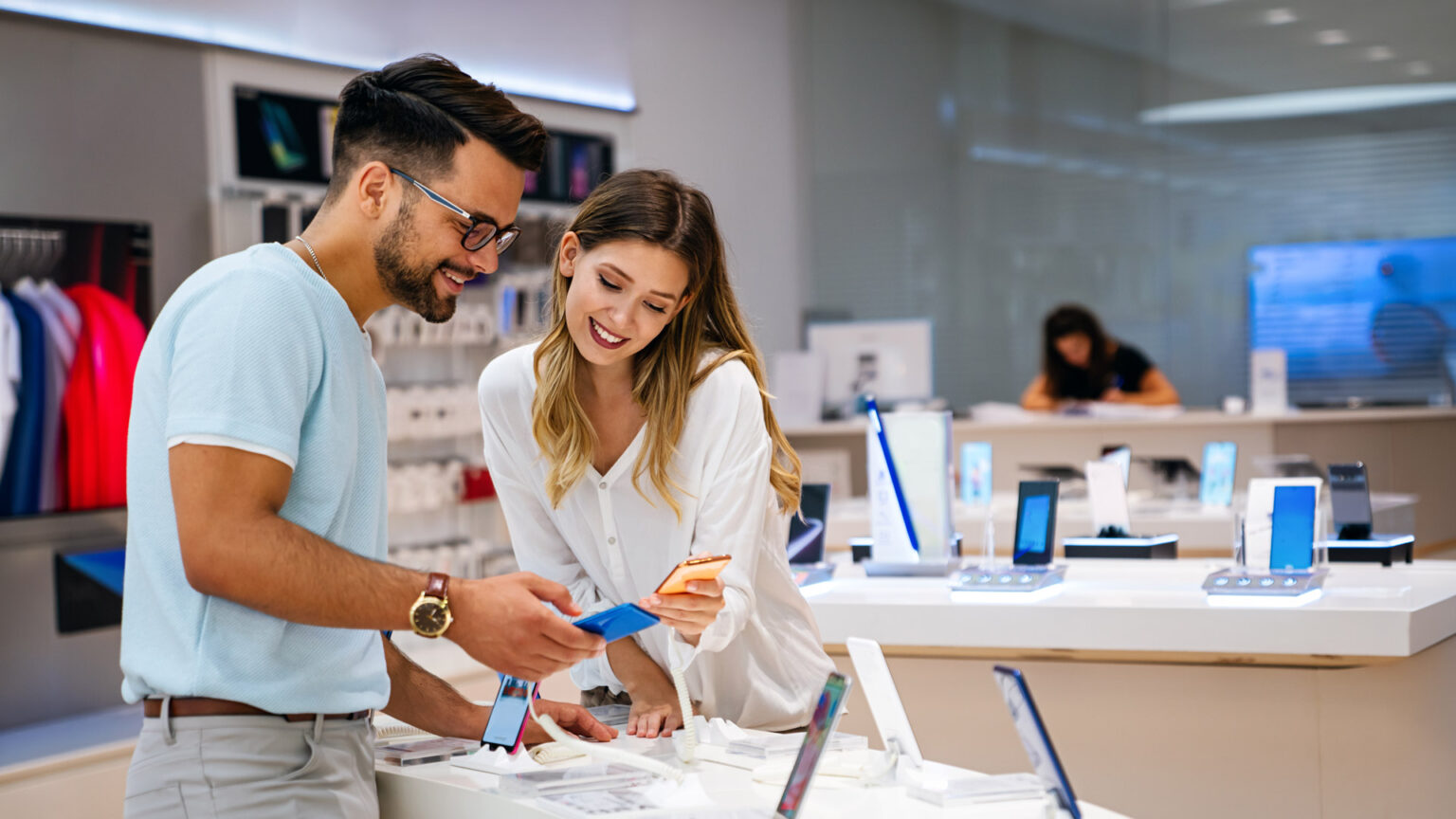
A tester visits your stores as a customer. You'll see how the customer is greeted, how their needs are identified, and how products and campaigns are presented to them.

The service includes
  • A question framework based on your goals and sales staff guidelines
  • Test visits to selected stores
  • Findings on greeting, needs assessment, offering, and closing the sale
  • Debrief for management and store managers
What you getStore-specific findings and an action list showing what to do first.
Delivery
  • Starting from a few stores, expandable into a nationwide network
  • Number of visits and rounds based on the size and needs of your chain
  • One test round or several rounds with comparisons

City billboards where brands compete for customer attention
Mystery Shopping

Partners and resellers

When someone else is selling your product

When your product is sold in a partner's store, the customer meets you through someone else's salesperson. We test how your product is presented, whether a competitor is recommended instead, and whether your product is offered at all.

The service includes
  • A baseline from a previous test, if one has been done
  • Test visits to partner stores
  • Findings on product presentation, competitor recommendations, and upselling by partner
  • Debrief for you and your partners, plus refinements to training and materials
Delivery
  • Number of visits based on how many partners and stores are tested
  • Debrief with partners too, if agreed
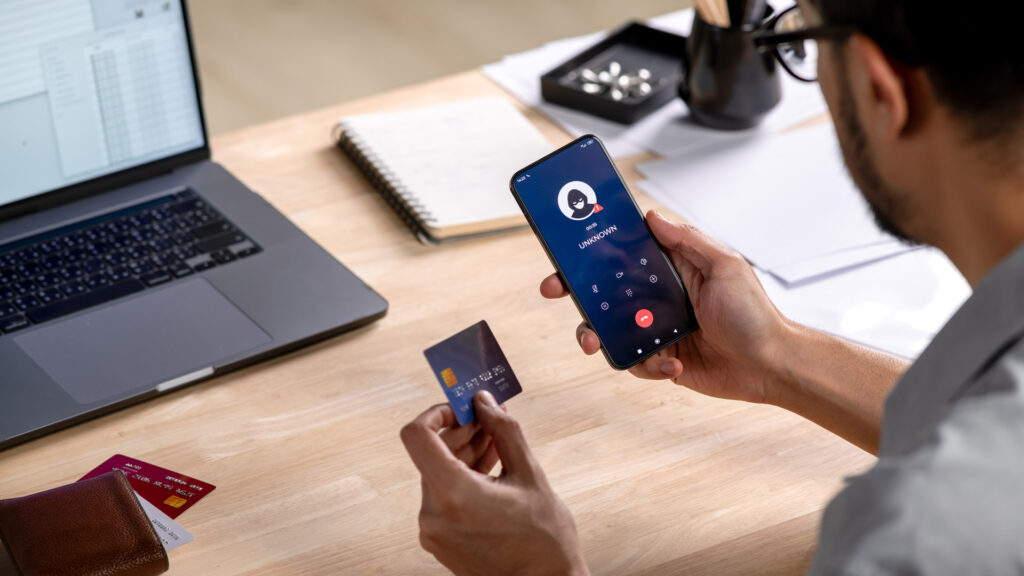
A customer makes a call and shops online, card in hand
Mystery Shopping

Customer service by phone and online

When a customer makes contact before or after purchase

A tester calls, sends a message, or shops in your online store. You'll see how quickly the customer gets a response, whether their question is understood, and whether the interaction leads to a sale.

The service includes
  • Test contacts by phone, email, message, or online store
  • Findings on response time, needs assessment, and offering
  • A comparison against what your guidelines promise the customer
  • Debrief for customer service and sales managers
What you getInsight into exactly where customers are left without an answer or buy elsewhere.
Delivery
  • Number of contacts based on how many channels are tested
  • Can be combined with store testing

Channels can be tested on their own or together.

What our customers say

Our customers describe what the collaboration led to.

An NPS of 100 tells us our customers recommend us. The number doesn’t tell us why, so we let the customer tell us themselves.

NPS 100 · Our customers recommend usTrustmary customer survey 2026

"You didn't dwell on the weaker results at all — quite the opposite, your approach was encouraging and supportive."

Jussi KoskinenHead of Service Provider Business, Finland and Baltics · F-Secure

Try it yourself

One colleague and three questions.

If you'd like to try it yourself, ask a colleague who isn't known in the store to ask three things about your product: what it costs, why to choose it, and what else is recommended with it. If the answers match what's in your sales staff guidelines, you're in good shape. If they surprise you, it's worth a conversation.

FAQ

What people ask about Mystery Shopping

Why not test our own stores ourselves?

You can test it yourself too. But your own people are often recognized in the store. Once a salesperson knows the person asking is from the company, the conversation changes. That's not the salesperson's fault — it's the situation. An outside tester sees the same thing an ordinary customer would. We bring the findings together into one clear picture and bring in solutions from outside your own industry too. Testing doesn't take time away from sales work.

What gets tested in Mystery Shopping?

We agree on this with you based on your goals. Common areas tested include how the customer is greeted, needs assessment, product presentation, handling the customer's doubts, upselling, and closing the sale.

How many visits are needed?

The test can start with a few stores and expand into a nationwide network. The number of visits and rounds is tailored to the size and needs of your company — how many stores, partners, or channels are tested, and how detailed a picture you want. We agree on the number with you before starting.

Will staff and partners know about the test?

We agree on this with you before starting. The purpose of the test isn't to catch mistakes but to see what the customer experiences. That's why the debrief focuses on what's working and what could be done better. We hold the debrief with partners together with you.

Can Mystery Shopping be done by phone or online?

Yes. The tester calls, sends a message, or shops in your online store just like any other customer.

What happens after the test?

In the debrief, you decide what to fix first. We can help with the fixes too — for example, in sales staff coaching or materials. A follow-up test shows whether the change has reached the customer.

Authors

Who you'll meet when you get in touch.

Contact

What does your customer hear when they ask about your product?

A few sentences in your own words is enough. We’ll respond within one business day and tell you directly if we can help and where we would start. If the matter can be handled without us, we’ll tell you that too.

Would you rather talk?

A 45-minute conversation with one of us can also be booked directly from the calendar.

45 min · Teams or Google Meet · No sales pitch

Or by email: hello@voittogroup.com

Contact us

A few sentences in your own words is enough. We will respond within one business day and tell you directly if we can help and where we would start.