Mystery Shopping shows what your customer experiences in-store, at a retailer, on the phone, or online on a typical weekday. I will explain how to get observations from the test that leave salespeople knowing exactly what to do differently.
+28 %
Average sales growth for our customers
+15
Average increase in our customers’ NPS, points
NPS 100
Our clients recommend us
A weekday, a quiet hour in the afternoon. There is no queue in the store. Our mystery shopper has selected a product and is standing at the checkout with a payment card in hand.
The salesperson has handled everything well. They noticed the customer immediately and knew the products. They are friendly and fast.
The mystery shopper has given them opportunities throughout the visit. Now they bring it up themselves: is there anything extra for the product that would make everyday life easier?
The salesperson gets excited. They explain the additional service clearly and competently. Then they say:
Check out more online.
The customer pays for the product and leaves. The service they asked for stays in the store.
The scene is compiled from several test visits. The same pattern repeated from one visit to the next. Salespeople were friendly and competent, but the offer and closing the sale were often left undone.
Mystery Shopping means that a test customer visits a store, a partner, calls, or goes online like a regular customer and reports afterward what happened. In Finnish, it is also known as ‘haamuasiointi’. The purpose of the test is to see the customer experience and first fix what affects the sale the most.
When the test concerns buying, our mystery shopper buys the product like a real customer and returns it later. This allows us to see the entire path from the first greeting to the checkout. Visits are often timed for quiet periods when the salesperson has time for the customer.
Why a mystery shopper instead of a regional manager’s visit? When the regional manager comes to the store, the shift is often at its best.

The phenomenon is known as the Hawthorne effect. From experiments at the American Hawthorne factory in the 1920s, the observation remains that people act differently when they know they are being observed. Researchers still debate what the experiments ultimately proved. In the everyday life of a store, however, the phenomenon is easily recognized.
The method is old and familiar. That’s why its pitfall is also familiar: the test easily measures what is easy to measure. Does the salesperson greet? Is the store clean? Does the salesperson know the product?
Those are important things. In our test visits, they were usually in order. The sale was only decided after them.
A debrief is successful when the store manager knows afterward what to do differently on Monday. This is most affected by three choices.
The first is the question on the form. Many forms ask if something happened. A more useful one also asks what happened next. A salesperson can greet exemplarily and still let the customer leave without a suggestion.
The second is the format in which observations return to the store. An average tells the store manager where they stand. A salesperson does not recognize themselves in an average. They recognize themselves in a story: the customer asked this, you answered that, and the sale stopped here. That’s why we don’t provide results for individual stores or salespeople in the debrief, even though they are sometimes requested. Development requires recurring themes, not a single Tuesday afternoon.
The third is the order of feedback. In our experience, salespeople try new things more easily when the debrief starts with successes.
In the F-Secure project, this was evident in the review of findings:
You didn’t get stuck on weaker performances in any way; on the contrary, your approach was encouraging and heartening.
Jussi Koskinen, F-Secure
When the test is built around the sale, the form looks different. These five moments are worth looking at in every visit. For each, I’ll tell you what we’ve seen in our test visits.
1. The first thirty seconds. Is the customer noticed and asked what they came looking for? Salespeople succeeded well in this during our visits. The customer was noticed immediately.
2. Need and the customer’s language. Does the salesperson ask what the customer needs the product for? Do they pick up on what the customer says? When the mystery shopper mentioned who the product was for, it wasn’t always picked up. One clarifying question would have opened a conversation that a list of features does not.
3. Objection. What happens when the customer hesitates? Here, many salespeople were skilled and answered with a counter-question rather than a long justification. One question did more than many arguments.
4. Upselling. Is the customer offered what makes the purchase complete? This was the clearest opportunity in the test. Salespeople knew the additional service well. Yet, it was rarely offered proactively.
5. Closing the sale. Does the salesperson suggest the next step, or is it left to the customer? My colleague Mikko Fransila summarizes the observation like this: it was presented, but not sold. There was no rush in the store and no other customers. Still, the conversation ended at the checkout.
There were successes too. A few salespeople justified the service so well that our mystery shoppers would have bought the service if they had been real customers. Mikko said after one visit that he almost forgot he was a mystery shopper. Those are exactly the visits that show what good selling looks like in your own customer encounters.

Own stores. You decide on training, campaigns, and goals. The test shows which of them are visible to the customer. In our experience, many campaigns live in head office presentations but not yet in store talk. The test notices even small gestures. When a queuing customer gets a look and a greeting from the salesperson, the wait feels shorter.
Partners and retailers. A partner’s salesperson has products from many manufacturers on the shelf. Your product competes for their attention alongside them. The test tells you whether they recommend you, a competitor, or nothing. It also tells you why. Observations are reviewed together with the partner, giving the partner’s salesperson the same story as your own.
Industrial retailers and inside sales. The same test works for a retailer of industrial products and for an inside salesperson responding to a request for quotation. In that case, the test customer sends a request for quotation or calls the sales desk and observes the same five moments: whether the intended use is asked about, whether maintenance or spare parts are suggested, and whether the next step is agreed upon.
Service companies, phone, and online. In a service company, the sale often begins with a request for quotation, a phone call, or an online chat, and the salesperson’s place is taken by a customer service representative. In those cases, the same moments are observed: whether the response is quick, whether the need is asked about, and whether the next step is suggested.
Not every store needs to be tested every month. When every mystery shopper follows the same script, just two visits per store give a direction on whether the same moment repeats from one store to another. If upselling is missed in, for example, three out of four stores, the reason is rarely an individual salesperson. Then it’s worth looking at what the salespeople have been taught and what is being asked of them.
One published example is the F-Secure project. At the beginning of 2026, F-Secure wanted to update its situational awareness of how operator partners’ salespeople present and sell its security product in stores. At the same time, they wanted a comparable baseline to a study conducted a year earlier. The project lasted eight weeks.
F-Secure consciously chose a provider who did not have deep experience in the cybersecurity industry. Jussi Koskinen justified the choice like this:
We wanted a partner who would have fresh insights.
Jussi Koskinen, F-Secure
The findings were linked directly to F-Secure’s spring 2026 business development program. The sales focus shifted from features to peace of mind. According to the customer story, the new approach included, among other things:
In addition, clear prices are brought up proactively. Internal training is also clarified. A ready-made comparison base was left for the next test round to see the direction of development.
Full story: Taking partner sales to a new level with mystery shopping. Source: F-Secure and Voitto Group, Mystery Shopping project 2026.
1. First, decide what you want to know. One question is enough: why isn’t the campaign visible, why is upselling missed, or why does the partner recommend others.
2. The form is built around five moments. It asks what happened and what happened next. The template is below.
3. Results are debriefed as stories. Three short accounts of visits teach more than a long table.
4. Changes are chosen one at a time. One change is easy to remember even in the Saturday rush.
5. Then test again. A second round shows if the change is visible to the customer. F-Secure built its project with the same idea: the new test was comparable to the one a year earlier.
Form template: five moments
The last question tells the most. The answer to it is often one sentence. That sentence contains what the customer would have needed.
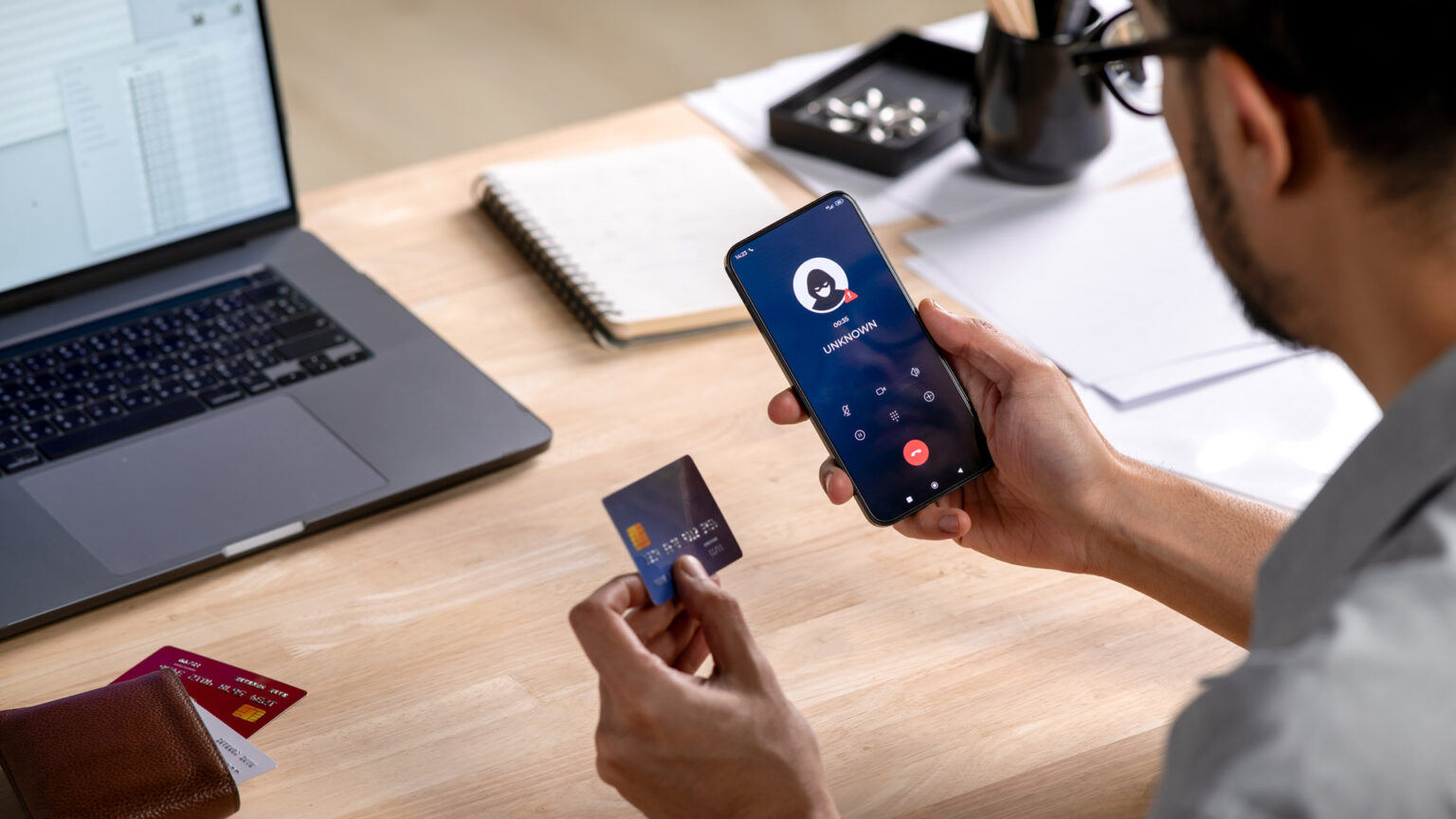
Personally, I would start with a fifteen-minute test call. I would call my own customer service or one store from a number they don’t recognize. I would ask about the product that sells the most.
Immediately after the call, I would write down three things: was I asked what I need the product for, was something suggested to me, and do I now know what I would do next.
If the answer is yes three times, the foundation is good. If not, now you know where to start.
This is how my colleague summarized it when we reviewed the visits together. I’ll return to the checkout. The customer is holding their card and asks themselves. The salesperson answers “check out more online” because they haven’t been shown yet that this is exactly where the sale begins. A good test shows what your customer experiences next, whether the encounter is at the checkout, in a partner’s store, or on the phone.
Contact us
We build a Mystery Shopping test around your sales and review the observations so that salespeople know what to do differently. More about Mystery Shopping
A couple of sentences in your own words is enough. We respond within one business day and tell you directly if we can help and where we would start. If the matter can be handled without us, we’ll tell you that too.
A 45-minute discussion with one of us is also possible directly from the calendar.
45 min · Google Meet · No sales pitch
Or by email: hello@voittogroup.com
A few sentences in your own words is enough. We will respond within one business day and tell you directly if we can help and where we would start.